Bluffing isn't a gimmick — it's a core skill, and playing without it is like fighting with one hand tied behind your back. Five field-tested moves: check-raise to harvest multiway pots; only draws with 8+ outs qualify as semi-bluffs; fire big when the third suited card lands on the river; check-call the whole way and suddenly wake up with a huge river raise; start stealing blinds in tournaments once they pass 5% of the starting stack. Three golden rules: the goal is folds, not calls; bluffs work better at higher stakes; bluffs work better against better players.
Let's be honest: bluffing has a bad reputation. People think it's flashy, reckless, or pure theater. The truth is bluffing is a fundamental skill. If you can't bluff, you're sitting down to play with one arm tied behind your back.
Here are five moves I've used over and over at live tables. They work.
1. The Check-Raise: Harvesting Multiway Pots
This one shines when you're out of position.
Two or three players see the flop, the cards come out, and everyone checks. The player in last position — especially if he raised preflop — will almost always take a stab at that pot. That's your cue: raise him three to four times his bet, and you'll take it down more often than not.
But be careful when there are more players in the hand. If three or four opponents all check, someone might be setting a trap. Your raise gets called, or worse, re-raised. Few players, harvest away. Many players, think twice.
2. The Semi-Bluff: Attacking With Two Lives
The semi-bluff stopped being a secret long ago. It's still deadly.
There's an old saying: if you call, you need a good hand to win; if you raise, you might win right there; if you semi-bluff, you get both — even when called, you still have outs.
Two mistakes, though, and I see them constantly.
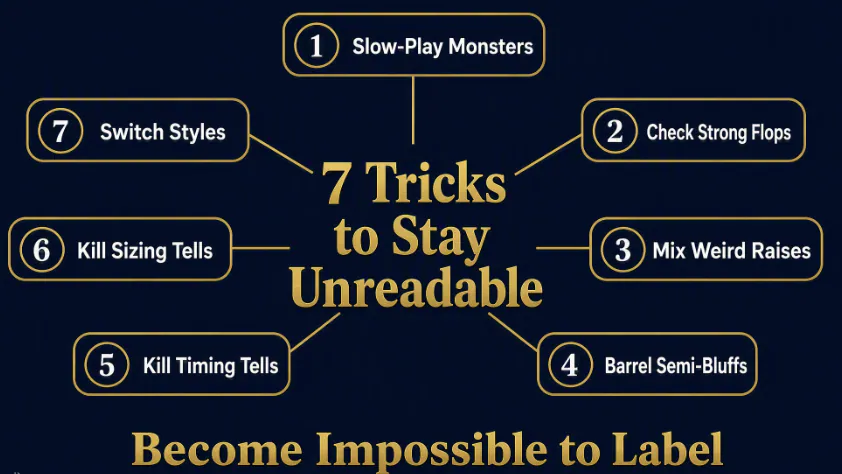
First, playing too predictably. Check your big hands, raise only your semi-bluffs, and after a few orbits the whole table has your number. Mix it up: check, call, raise in rotation. Keep them guessing.
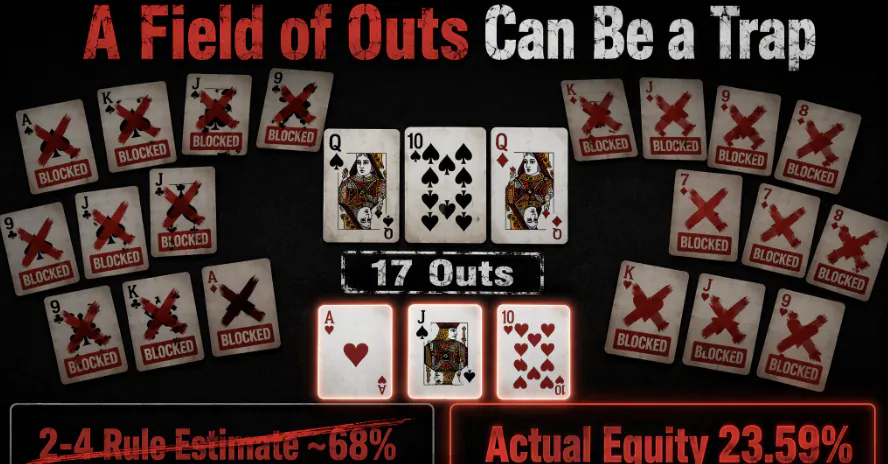
Second, confusing a bluff with a semi-bluff. Betting with bottom pair? That's a pure bluff. Betting with a gutshot? Also a pure bluff, not a semi-bluff. As a rule, only draws with eight or more outs qualify as semi-bluffs. Fewer outs and you're simply bluffing — know the difference, because the risk profiles are nothing alike.
3. The Scare Card: Building on Someone Else's Story
A classic.
The flop and turn pass quietly, and there are two suited cards on board. You've been calling along. The river brings a third card of that suit — you fire a big bet, and your opponent will very likely put you on the flush. Same idea when a small pair hits the turn: he'll start worrying about a full house or trips.
This move works especially well against good players, because good players think, and good players fold. Against weak players? They aren't even thinking about what you have, especially when they're deep-stacked. So remember: scare-card bluffs target thinking players. Against fish, just wait for a real hand.
4. The River Bluff: Call All the Way, Fire Once at the End
You've check-called the entire hand. On the river, if you sense your opponent has something — but not enough to call a big bet — you suddenly come alive with a heavy raise.
To him, it looks exactly like you've been slow-playing a monster the whole way down.
Two preconditions. The bet has to be big enough to apply real pressure; a tickle doesn't work. And check whether he's already pot-committed first — if he is, don't bother.
Like the scare card, this play targets good players who can recognize a delayed trap. And if it turns out you're up against a fish, no harm done: next time you actually have the goods, he'll pay you off anyway.
5. Stealing Blinds: A Tournament Requirement
This one is mostly for tournaments. If you want to go deep, you have to steal blinds. Three things to remember.
One, it's only worth doing once the blinds pass 5% of the starting stack. Two, only steal from the button or cutoff, unless the table is freakishly tight. Three, if you get caught, let it go — don't throw more money into the hole.
The Three Golden Rules
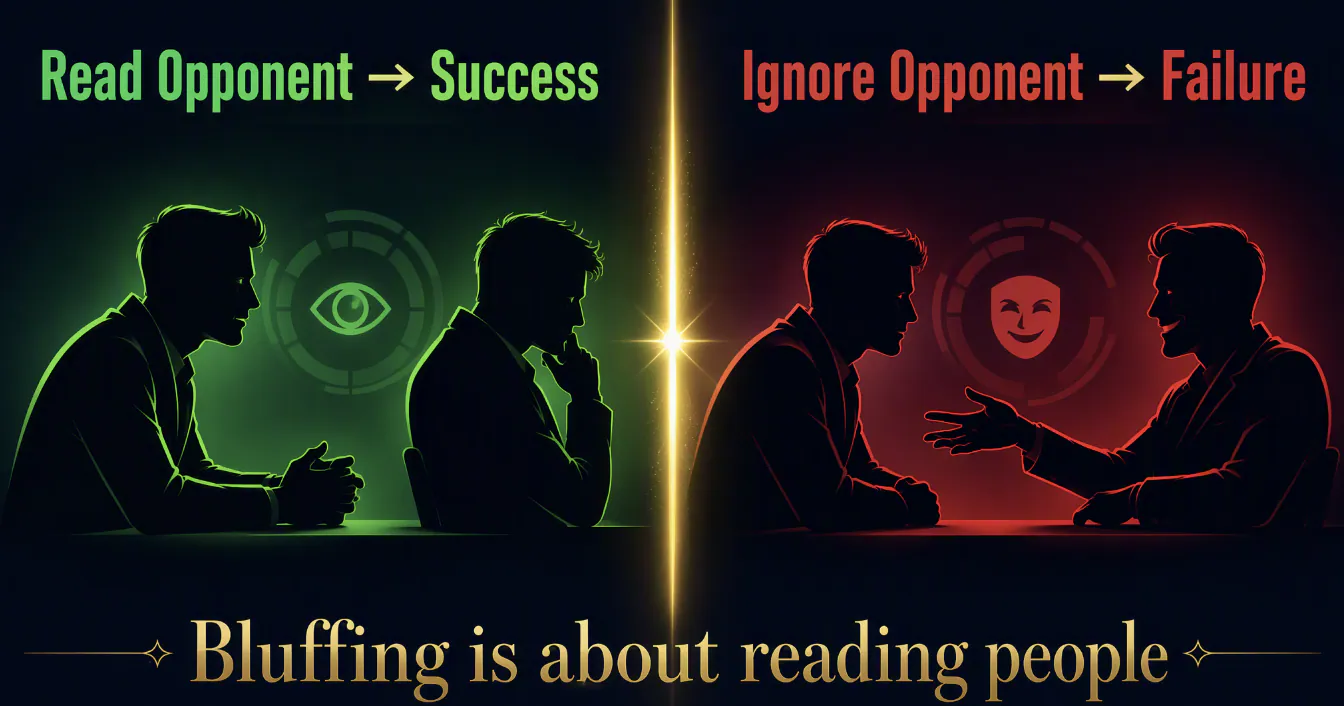
To bluff well, put yourself in your opponent's seat. What bet size would make you fold? Bluffing is an art, not a brute-force move.
Three sentences worth repeating.
The goal of a bluff is to make them fold, not call.
The higher the stakes, the better bluffs work.
The better the player, the better bluffs work.
FAQ
What if my bluffs keep getting called?
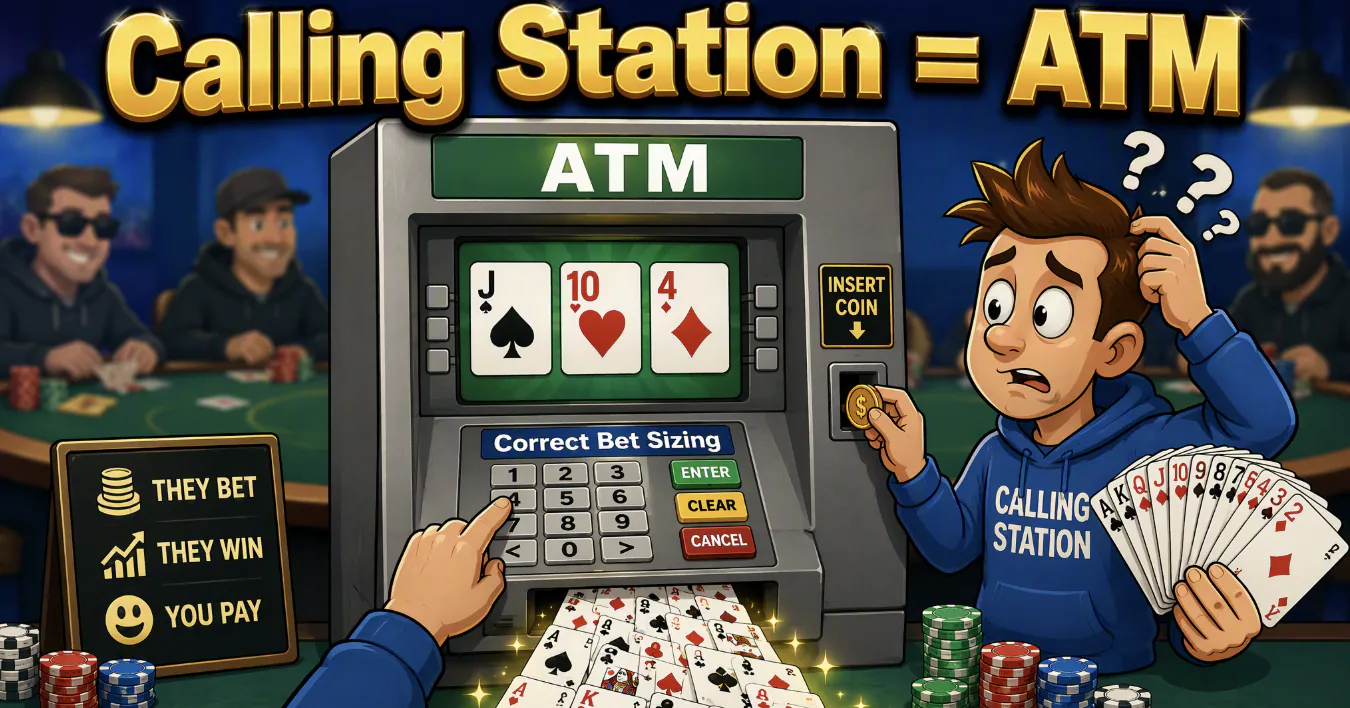
Look at your targets first. Bluffing fish and calling stations is just donating — they never think about what you're holding. Bluff the players who think and can fold.
How do I tell a semi-bluff from a pure bluff?
Count your outs. Betting a draw with eight or more outs is a semi-bluff. Betting a gutshot or bottom pair is a pure bluff, and the risk is completely different.
What should I do when my blind steal gets caught?
Take the loss and walk away. Stealing blinds is a small-margin business — once you're caught, drop it. Trying to win it back only digs the hole deeper.
Conclusion
Keep the three golden rules in mind, and your next bluff won't be a shot in the dark. It'll be an aimed strike.
Pick one of the five moves and start with it. Tonight's session: try the check-raise once.